
Secret Revealed To Crush Cancer And Great Health
Cancer stands as the second-leading cause of death in numerous countries, constituting approximately 10% of fatalities in India. The main causes of this high death rate are believed to be low awareness, the shame associated with cancer, poor access to medical facilities, and financial limitations.
The topic of this year’s World Cancer Day is “Close the Care Gap.” Amazingly, continued progress in medicine has made a considerable proportion of malignancies treatable. Nevertheless, the collective aim should extend beyond mere curability to make the world cancer-free.
The moment to take action is now, and every person is vital, particularly in raising awareness. The need of the hour is to adhere to some necessary steps, such as taking preventive measures, regular monitoring, and being preemptive and timely in reporting any such symptoms to the concerned and recognized medical authorities, such as the specialists or super specialists.
Early diagnosis and effective management are pivotal for the successful treatment of such a life-threatening disease. However, prevention is the only way through which this dreaded disease can be effectively controlled to reduce incidences. Adopting a healthy diet, maintaining an active lifestyle with consistent physical activity, achieving and sustaining an ideal body weight, abstaining from all forms of tobacco, and ensuring adequate sleep significantly lower the risk of developing various forms of this disease.
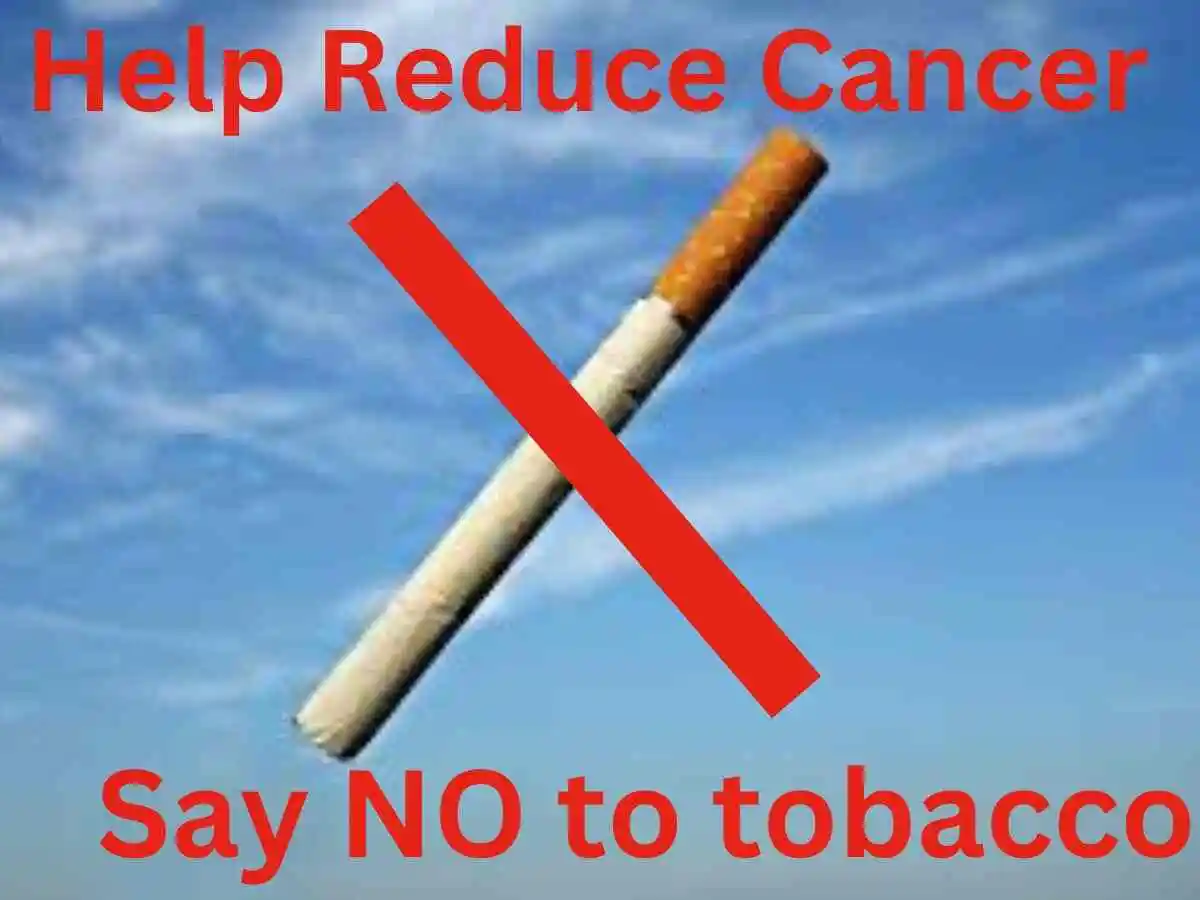
Furthermore, it is imperative to raise awareness about the adverse effects of tobacco and advocate for its complete avoidance, given its association with approximately 40% of diagnosed cases and 25% of deaths globally due to this disease.
Understanding why one person gets this disease while another doesn’t is often challenging. Although pinpointing the exact reasons is usually not feasible, research indicates that specific factors may elevate the risk of developing such symptoms. Conversely, there are factors associated with reduced risk, often termed protective risk factors.
These risk factors include specific behaviors in addition to substance or chemical exposure. Furthermore, uncontrollable variables like age and family history come into play. A family history of particular cancers might indicate a potential inherited cancer syndrome, which involves genetic mutations passed down through generations (refer to the Hereditary Cancer Syndromes section for more details).
The majority of risks and protective variables are found mostly through epidemiology studies, in which researchers examine huge populations and compare individuals who get cancer with those who don’t.
Adhering to recommended related screening tests based on age is equally vital. These tests make it possible to identify the disease early in people who don’t have any symptoms.
Frequent screening increases the chance of a successful cure by providing the best chance for early discovery when it is still in its early stages. Programs that educate the public about the importance of routine testing must therefore be prioritized.
Recognizing cancer symptoms promptly is equally crucial. The detection and reporting of symptoms to the appropriate specialists increases the likelihood of a successful outcome by facilitating a speedy diagnosis and the start of appropriate therapy.
Each person must reduce the care gap in cancer by making lifestyle adjustments and participating in the community. Prioritizing awareness, preventive measures, regular screenings, early symptom recognition, timely reporting, and advocating for accessible healthcare facilities collectively propel us toward a world where cancer is not only treatable but preventable. A future free from the burdens of this terrible illness is the goal of this coordinated endeavor.